

Access the report here.
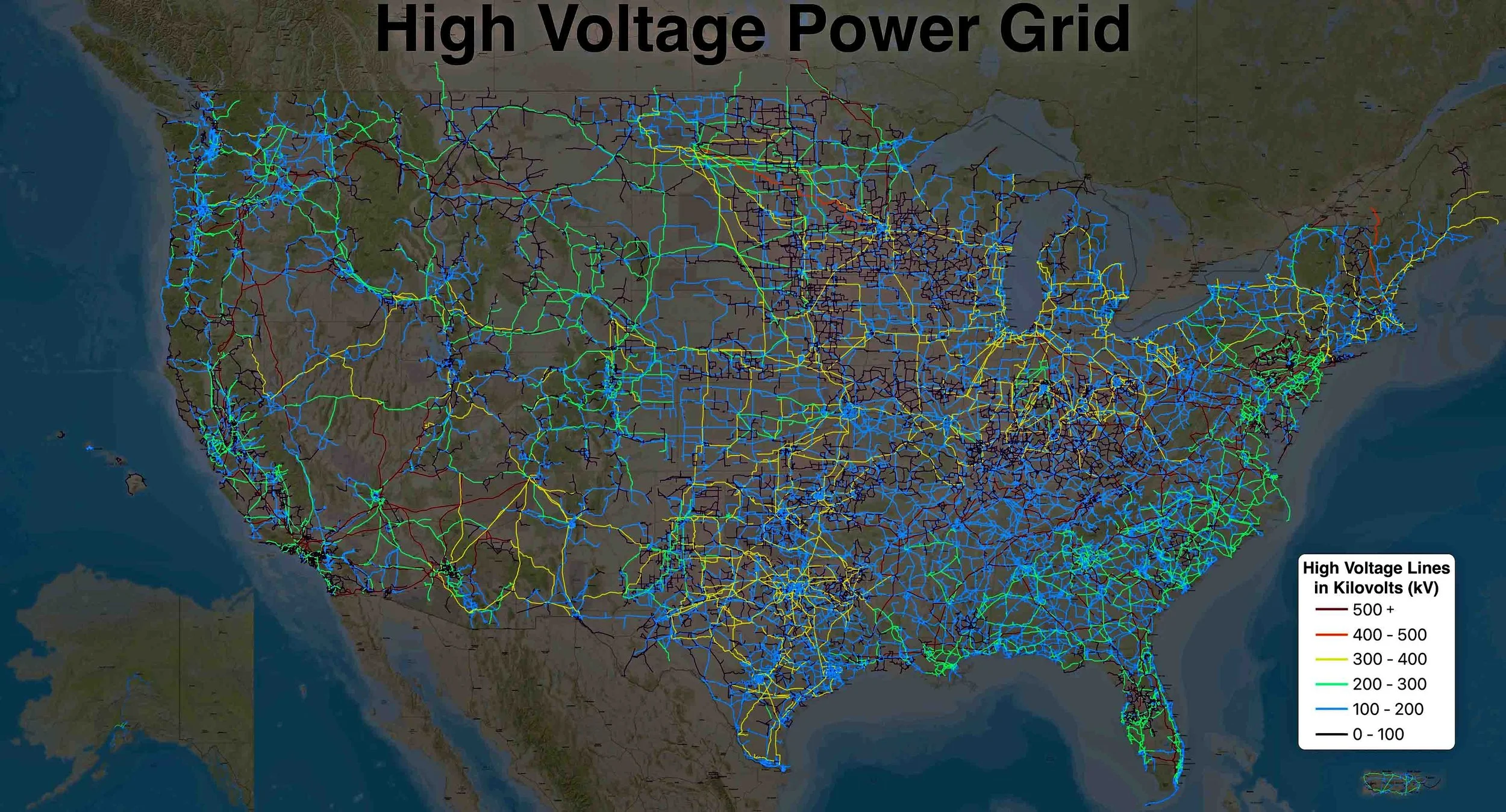
Surging electricity demand and constraints on generator supply are increasingly challenging access to affordable, reliable electricity in the US. Evolving natural gas dynamics at home and abroad also have implications for the power sector. Though considerable work has been appropriately focused on expanding new generation on the grid in response, a more robust transmission system also plays a critical role in meeting demand and reducing costs. We find that expanding transmission capacity has the potential to help mitigate rising electricity prices while supporting electricity reliability, especially under conditions that add extra strain on the grid. Easing transmission barriers reduces total US power system costs by $82-130 billion from 2026 to 2040, resulting in 2-3% lower electricity prices nationally in 2040, with greater price impacts in some regions. Expanded transmission drives these lower costs by enabling 9-43% more capacity deployment on the grid through 2040. More extensive interregional transmission networks also allow regions to meet reliability requirements at up to 12% lower costs, since they facilitate the sharing of capacity resources between regions. At the same time, expanded interregional transmission enables access to lower-cost sources of electricity in neighboring regions, driving different decisions on where generators are built and how they are operated.
Source: Wikipedia