

Read the full article here.
Cross-border energy integration can strengthen resilience and improve energy security, but only if infrastructure investment is matched by policy coordination and market certainty, speakers told ADIPEC 2026.
But that also brings challenges and questions, which the panel session “Energy without borders: trade rules and the commercial case for cross-border integration” sought to examine and answer on the second day of ADIPEC.
A key takeaway was that cross-border energy integration is more than physical infrastructure and requires coordination and cooperation across policies, among other things, to enable the investment needed.
A prime example of this coordination was how Europe reacted at the start of Russia’s war with Ukraine to keep energy flowing.
Before, we were only talking about the energy trilemma with affordability, sustainability, reliability. Resilience is now added to the picture, which then also drives the need to find regional and more local ways to produce all forms of energy. And molecules play a role, regardless of which colour.
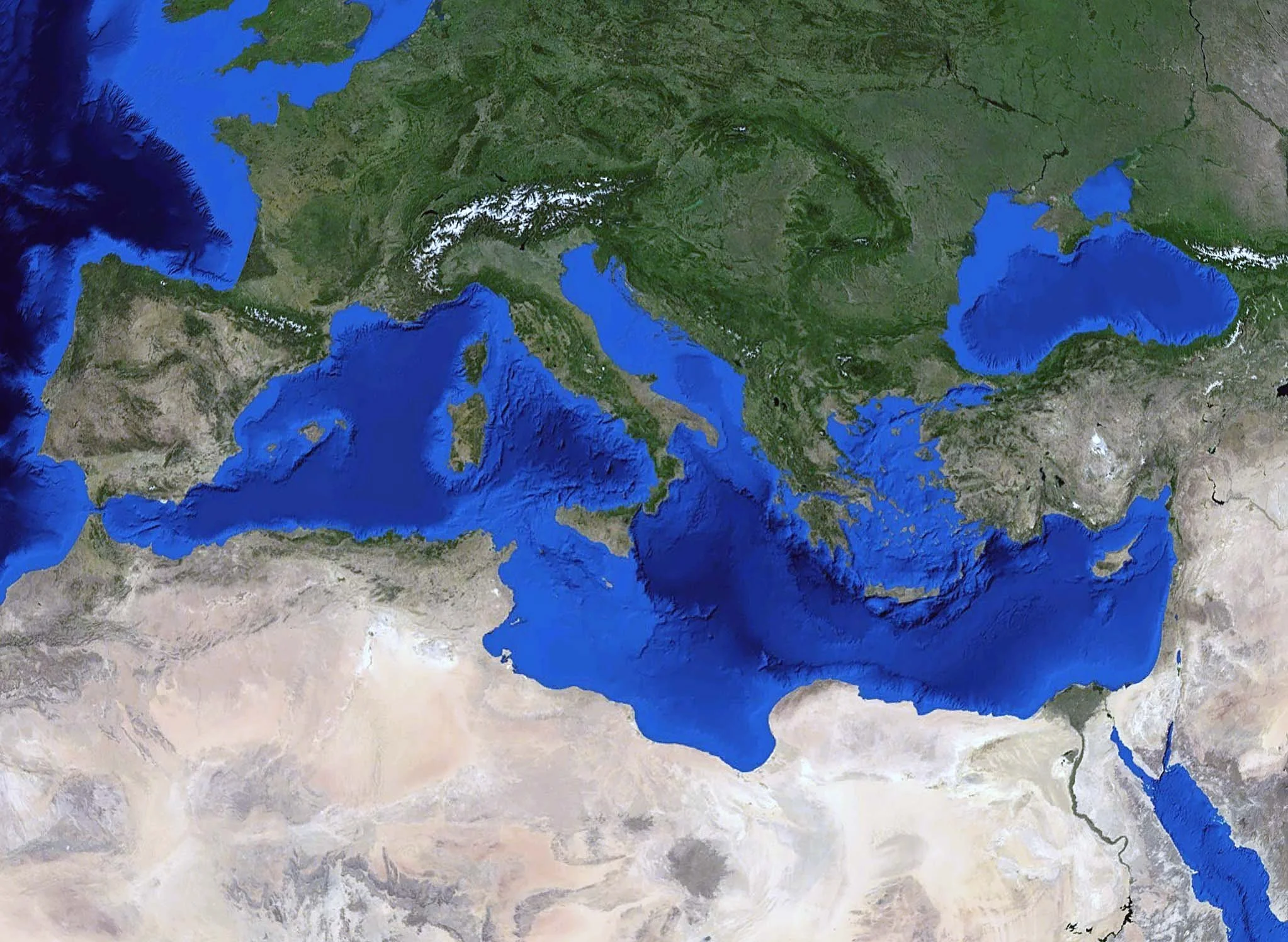
Dr Houda Ben Jannet, Director General, Organisation Méditerranéenne de l’Energie et du Climat (OMEC), said: “For many decades, South Mediterranean countries have played a role supplying Europe, and this is getting more important.
She made the point that integrated markets also require predictable rules, credible standards, lower investor risk and cooperation that benefits connected regions. Håkansson echoed this on renewable power.
“Policy uncertainty is currently driving a lot of the investment uncertainty,” she said.
Source: Wikipedia