

Powering South Asia’s clean energy transition
Read the full article here.
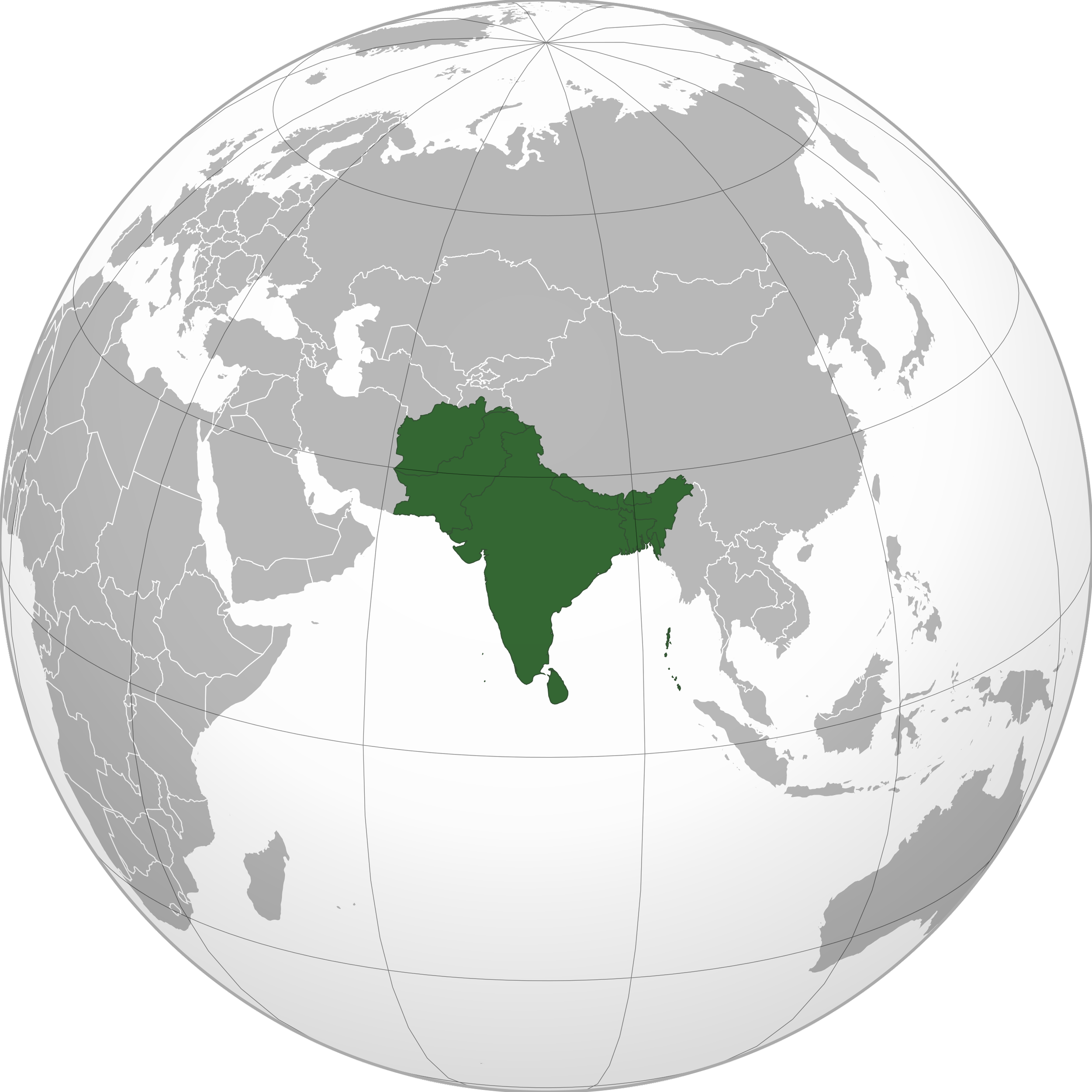
South Asia hosts nearly a quarter of the world’s population and is experiencing rapid economic growth. This growth is driving a sharp rise in energy demand across the subregion. Countries such as Bangladesh, Bhutan, India, the Maldives, Nepal, Pakistan and Sri Lanka, show significant differences in their geographical features and energy sources. However, they face a common challenge: a continued reliance on fossil fuels, which accounts for nearly 80 per cent of the region’s primary energy production, and a heavy dependence on imported energy to meet almost two-thirds of total energy consumption.
South Asia’s clean energy transition requires coordinated policy action and regional cooperation, together with the secure finance support.
Strengthening macroeconomic stability, improving utility governance and adopting transparent, predictable and trackable energy policies can significantly enhance investor confidence. Reducing dependence on imported fossil fuels through greater use of domestic renewable resources would improve energy security and ease fiscal pressures.
Moreover, the subregion also stands to benefit greatly from expanded cross-border power trade. Seasonal and geographic differences in supply and demand create natural opportunities for electricity exchange, particularly between hydropower-rich countries and energy-importing neighborhoods. Regional cooperation can lower system costs, improve reliability and support the integration of renewable energy.
Source: Wikipedia
_without_national_boundaries.svg)