

Read the full article here.
This year’s El Niño phenomenon, which is on course to be the strongest on record, is already intensifying Indonesia’s annual wildfire season, raising risks of transboundary haze, agricultural disruption and inflationary pressures.
As Southeast Asia accelerates its shift away from imported fossil fuels, reduced rainfall and severe droughts resulting from a “supersized” El Niño are expected to slash hydropower generation, which dropped by 21 terawatt hours in 2023 compared to 2022, despite 500MW of new capacity being added.
Hydropower currently contributes to roughly one-sixth of Southeast Asia’s electricity output, with Cambodia, Laos, Myanmar and Vietnam having the most hydropower-reliant power systems.
Hydropower is often regarded as one of the most flexible low-carbon sources of power generation. Compared to solar and wind, it can respond quickly to changes in demand and output fluctuations, helping maintain grid stability during periods of high demand.
However, with unfavourably warm conditions likely to persist until early 2027, analysts forecast that a possible hydropower shortfall could raise the region’s reliance on coal and LNG, especially in light of rising electricity needs for cooling.
Without rapid diversification into solar, wind and storage, temporary drought shortfalls risk triggering long-term investments in new fossil fuel infrastructure.
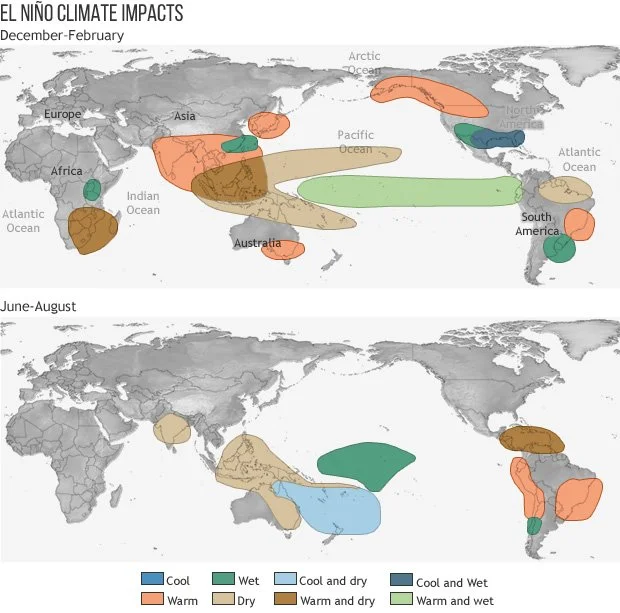
Source: Wikipedia