

The non-story of cross-border power debt, and the story worth telling
Read the full article here.
Every few months, the same headline returns: Benin, Togo and Niger owe Nigeria billions of naira for electricity. This quarter it is about ₦17.45 billion. It arrives with the same wave of indignation, that we are keeping our neighbours in light while our own citizens sit in darkness. It makes for a good headline. It is also, on the numbers, a non-story, and it distracts from a far more hopeful one.
Begin with what that figure actually is. The payment risk it seems to describe was dealt with years ago. Under the Eligible Customer reforms of 2017 and the Willing Buyer, Willing Seller framework of 2019, cross-border and large-industrial electricity supply was moved onto direct, guaranteed bilateral contracts entered by neighbouring utilities directly with Nigerian Generating Companies (Gencos). To buy power this way, a customer must post a letter of credit or a bank guarantee to the market operator before a single megawatt flows. That is precisely why the energy trade with our neighbours works: it was designed to be commercially disciplined, and it runs on surplus capacity, not on power taken from Nigerian homes, and is capped at less than 10 per cent of the power on the grid.
So let us retire the annual ritual of outrage over the ₦17.45 billion. We should note properly: it is a modest service charge on a trade that Nigeria disciplined and guaranteed years ago, not evidence that our neighbours are fleecing us. The more useful truth is that Nigeria already has a model that works; direct, guaranteed, bilateral contracts, proven with international customers and with our own industry. The job now is neither dramatic nor punitive. It is to scale that model into our agro-processing zones and cities, extend it to the rest of the value chain, and keep closing the leaks at home. The people running this sector are, for the most part, already on that road. What they need is for the rest of us to help them move faster along it, not to keep relitigating a debt that was settled, by design, a long time ago.
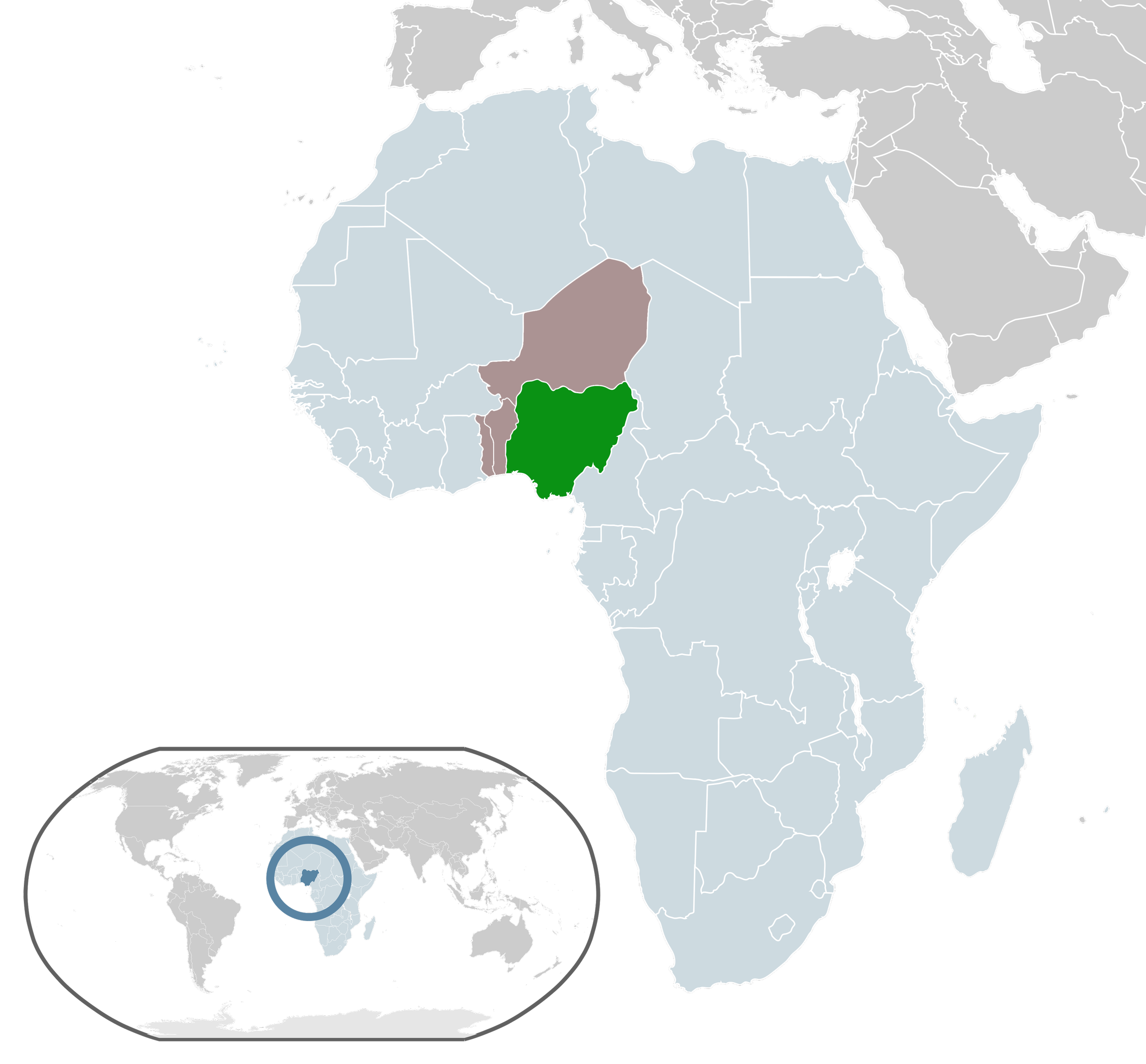
Source: Wikipedia