

Two quarters later: CBAM and the Western Balkan electricity trade
Read the full article here.
The introduction of the CBAM created a new reality for the six Western Balkan states. Available data, including reports from the Energy Community Secretariat, show that the new system disrupted long-standing trading patterns. Electricity flows from the Western Balkan nations to the European Union declined by 8.1 per cent, dropping from 5.01 (terawatt-hours) TWh to 4.60 TWh.
Concurrently, flows in the opposite direction—from the EU to the region—fell by 40.7 per cent, shrinking from 5.49 TWh to 3.25 TWh. Together, these declines produced a 25 per cent year-on-year contraction in gross commercial electricity trade between the EU and the Western Balkans during the first four months of 2026. This trend reflects a sharp drop in interconnection capacity utilisation and an overall slowdown in cross-border exchanges.
The period in question was characterised by exceptionally high carbon-free electricity generation, driven by strong hydropower output across the region. Consequently, day-ahead electricity prices in the Western Balkan countries were, on average, 30 euros/MWh lower than in neighbouring EU markets (with the exception of Greece)—a significantly larger EU price premium than during the same period in 2025. Despite this widening price spread, CBAM-related costs prevented higher-priced EU markets—including Italy, Romania, Bulgaria, Hungary, and Croatia—from fully benefiting from the cheaper electricity available in Western Balkan systems (apart from Albania).
As several analyses have noted, under the current system, default emission factors treat electricity from renewable sources the same as fossil-fuel generation. This directly affects trade flows and creates market distortions on both sides of the border, constraining higher-priced EU markets’ access to lower-cost electricity and reducing export opportunities for Western Balkan generators.
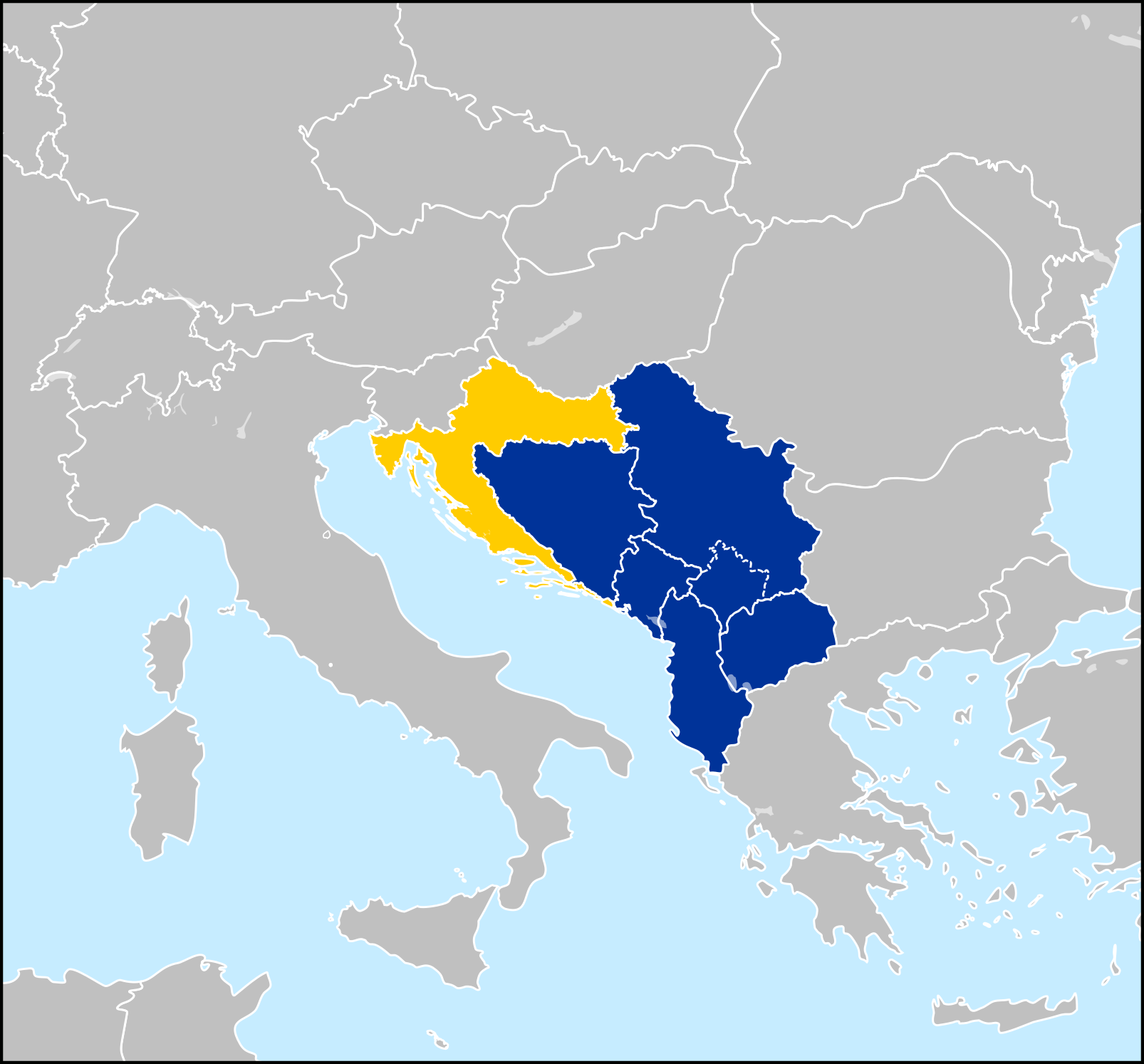
Western Balkans | Source: Wikipedia