

Read the full article here.
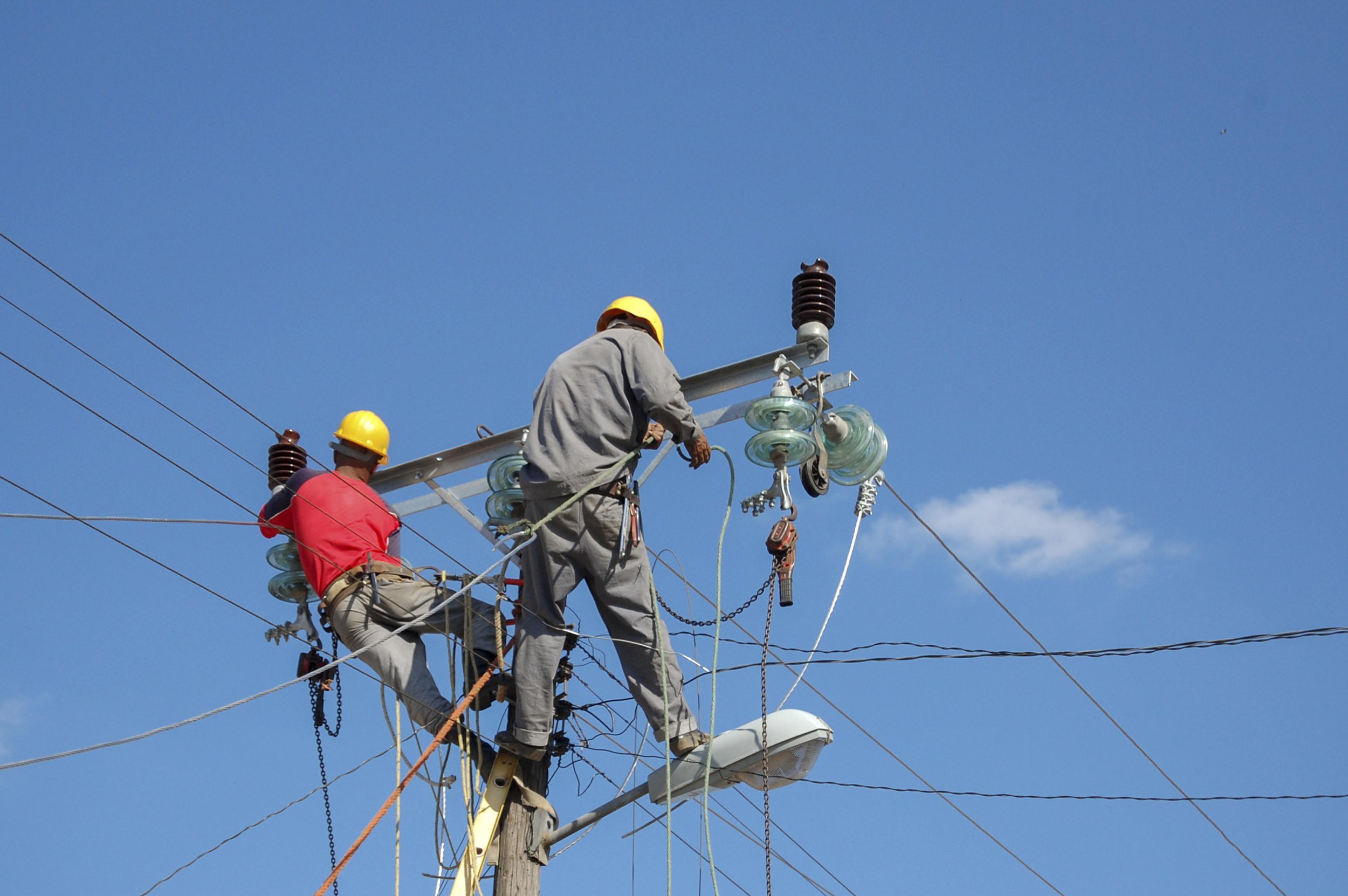
Just last month during the 81st United Nations General Assembly, the UN Secretary General announced the establishment of a new initiative – the Global Grid Accelerator Initiative, and this announcement was quite timely. This initiative aims to accelerate investment in electricity infrastructure across Africa and South-East Asia, translating national and regional priorities into bankable projects that can be implemented and brought into operation. Guided by grid priorities identified by governments, the initiative is expected to bring together policy expertise, project preparation, financing and implementation support to move transmission projects forward - faster. One may ask. Why focus on transmission? The reason is simple. The Global Grid Accelerator initiative addresses a critical challenge in the evolving energy transition journey: renewable power generation is expanding rapidly, while the grids needed to connect and deliver that electricity are struggling to keep pace.
The largest obstacle for renewables penetration across the developing world are old, antiquated, and unstable grids that cannot catch up with the renewables explosion that has recently taken off - globally. To start off, let us consider the data on renewables. In its recent report on the Status of Off grid Solar Solutions, the World Bank and Googla estimates that the number of people using solar home systems, water pumps, generators, lanterns and other off-grid solar products has risen by 26% over the past two years, from 118 million to 149 million. The International Energy Agency (IEA) estimates that renewables have officially overtaken fossil fuels as the largest source of power globally, for the second year running. Renewable output is also forecast to grow by about 1000 terawatt-hours (TWh) annually through 2030, with solar PV alone accounting for over 600TWh. Clearly, this renewables revolution is on and it is being televised, but not much of this renewable energy is accessing the grids in most African countries.
Source: UNDP NIgeria